
Chicago Athletic Association
A Landmark on Michigan Avenue
Designed by Henry Ives Cobb and completed in 1890, the Chicago Athletic Association became one of Michigan Avenue's most recognizable buildings. Punctuating the historic streetwall with its Venetian Gothic style, the athletic and social club for Chicago's elite was defined by its ornate stonework, pointed arches, and richly detailed facade.

The Building's Second Act
Then, in 2007, the doors closed. The building sat for several years and faced close calls with demolition, until a meticulous transformation began under the banner of adaptive reuse. Led by architect HPA and the interior design team at Roman and Williams, the historic interiors were transformed into a hotel with 241 guestrooms, restaurants, and retail spaces, reopening in 2015.
Restoration Over Reinvention
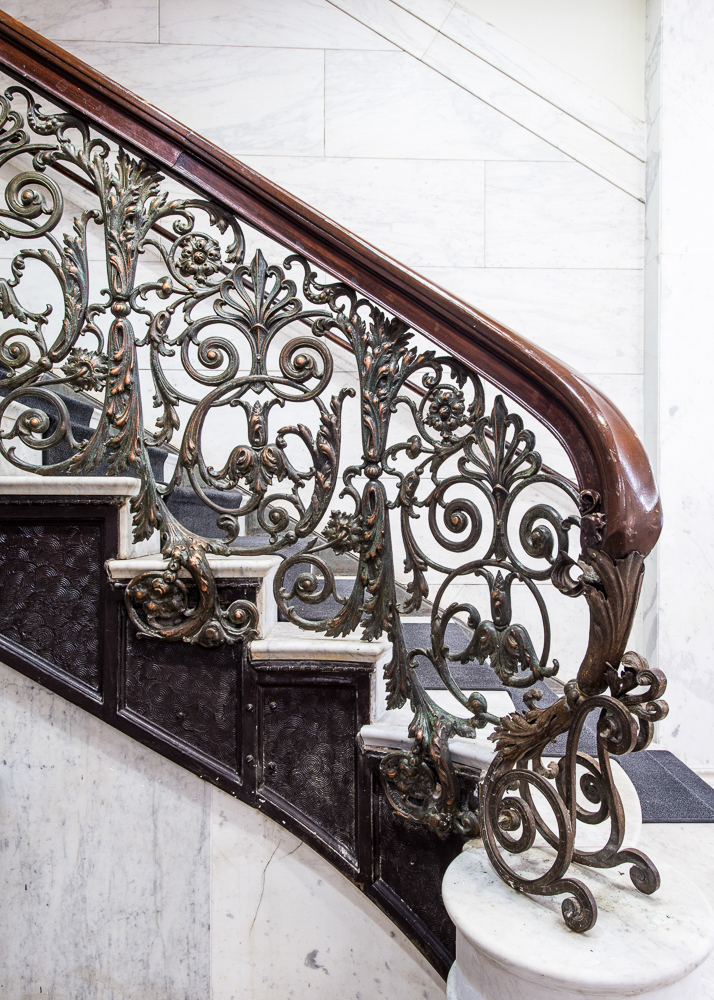
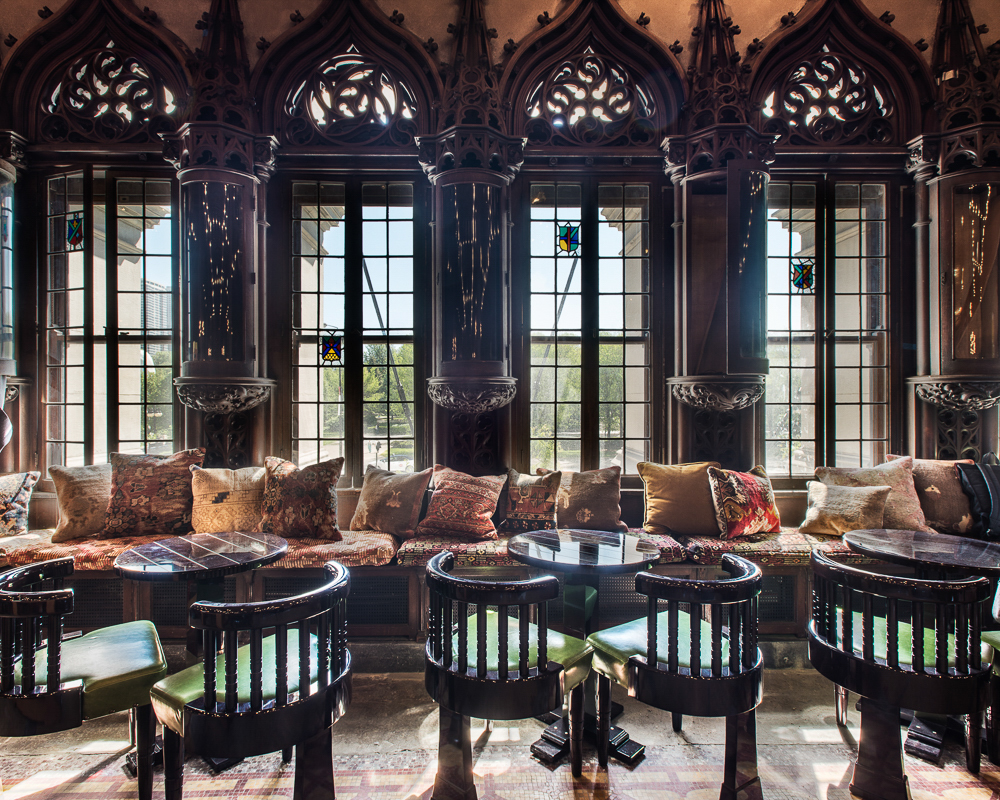
Extraordinary care was taken to preserve the building's late nineteenth-century character while adapting the building for a new purpose. Original millwork, marble floors, stained glass, and ornamental details were restored throughout the building, while lost features were reconstructed using traditional techniques. Rather than impose a completely new identity on the building, the design team carefully specified materials that allowed the new spaces to feel rooted in the building's history.

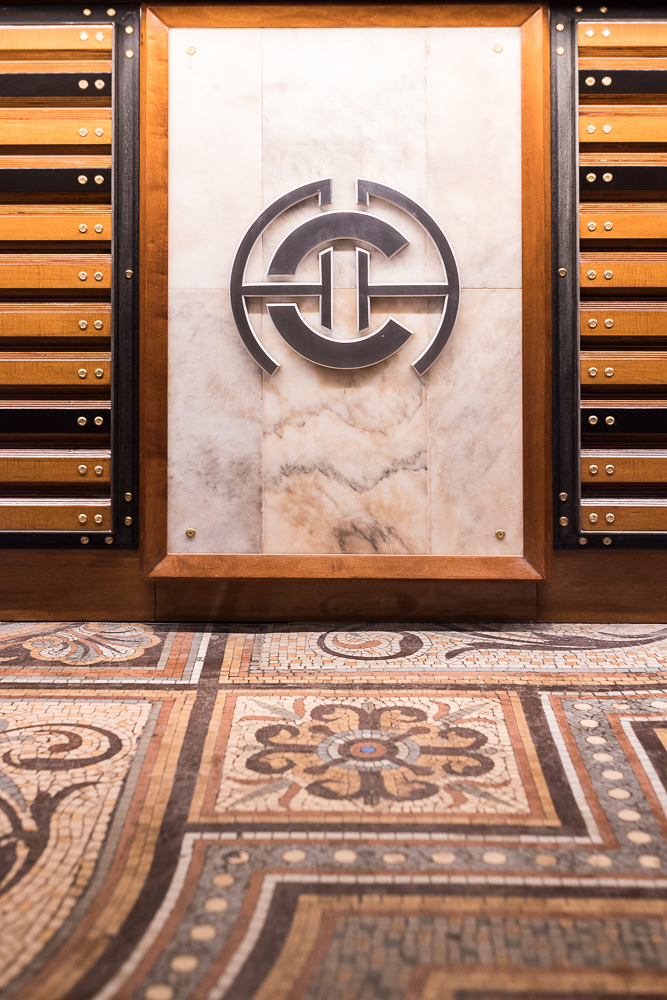
DDS worked with the interior design team to source materials for the hotel's guestrooms, selecting finishes appropriate to the project's scale, renovation budget, and period architecture. In the bathrooms, International Series mosaic tile in black, cream, and white with custom borders was chosen to echo the original mosaics found throughout the club's public spaces. Esperanza Series wall tile and trim provided a restrained backdrop, complementing the restored architectural details of the original athletic spaces.
Lessons in Adaptive Reuse
The Chicago Athletic Association demonstrates how adaptive reuse can extend the life of historic buildings while adapting them for modern use. It stands today as a compelling example of how architecture can be renewed without losing the qualities that made it significant in the first place.